

 604.506.5068
Blog
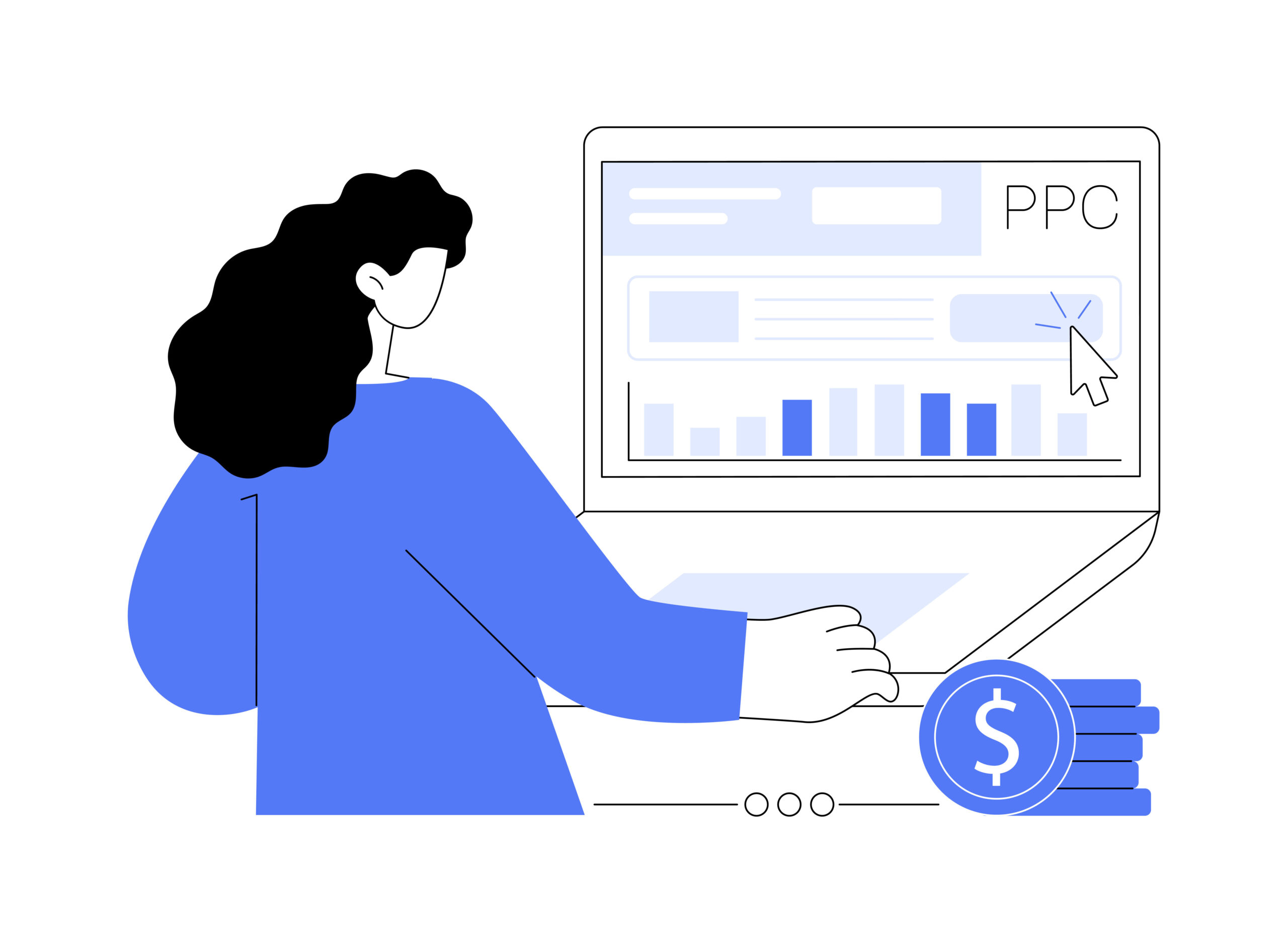
Organic Traffic vs. Paid Ads: What’s Right for Your Business?
Continue reading "Organic Traffic vs. Paid Ads: What’s Right for Your Business?"
When it comes to growing your online presence, two key strategies often come up: organic traffic and paid ads. Both have their pros and cons, so it’s important to understand which one is right for your business.
Organic Traffic: Long-Term Growth
Organic traffic is generated through non-paid methods, like SEO and content marketing. The benefits include:
- Sustainability: Once you build momentum, traffic can keep coming without ongoing costs.
- Trust: Organic results tend to be more trusted by users.
- Challenges: It takes time and effort to see significant results, and maintaining SEO requires consistent updates and optimization.
Paid Ads: Immediate Results
Paid advertising (e.g., Google Ads or social media ads) delivers instant visibility by placing your content directly in front of your audience. The benefits include:
- Quick Results: You can start driving traffic and conversions immediately.
- Targeting: They allow you to focus on specific demographics, interests, and behaviors.
- Challenges: Continuous investment is required, and costs can rise if not managed efficiently.
What Should You Choose?
If you’re looking for quick traffic and can allocate a marketing budget, paid ads are an excellent way to get started. However, if you’re thinking long-term, organic traffic is the sustainable choice. Ideally, a combination of both strategies often works best for most businesses.
About the Author
The Best Digital Marketing Insight and Advice
The WSI Digital Marketing Blog is your go-to-place to get tips, tricks and best practices on all things digital
marketing related. Check out our latest posts.
Ready to turn AI insight into a practical business plan?
Speak with an AI ConsultantWe are committed to protecting your privacy. For more info, please review our Privacy and Cookie Policies. You may unsubscribe at any time.
Don't stop the learning now!

AI Evaluation Metrics Business Leaders Should Understand Before Scaling
AI Measurement AI Evaluation Metrics Business Leaders Should Understand Before Scaling AI adoption should not be measured by activity alone. To scale responsibly, organizations need technical quality checks and business KPIs that show whether AI is improving the process it was meant to support. Summary AI evaluation connects model behavior, workflow performance, user adoption, and …
Continue reading “AI Evaluation Metrics Business Leaders Should Understand Before Scaling”
READ MORE
AI Evaluation Metrics Business Leaders Should Understand Before Scaling
AI Measurement AI Evaluation Metrics Business Leaders Should Understand Before Scaling AI adoption should not be measured by activity alone. To scale responsibly, organizations need technical quality checks and business KPIs that show whether AI is improving the process it was meant to support. Summary AI evaluation connects model behavior, workflow performance, user adoption, and …
Continue reading “AI Evaluation Metrics Business Leaders Should Understand Before Scaling”
READ MORE
AI Agents in Business Workflows: Useful Automation or Unmanaged Risk?
AI Agents & Controls AI Agents in Business Workflows: Useful Automation or Unmanaged Risk? AI agents can plan steps, call tools, retrieve information, and complete tasks. That makes them powerful, but it also means organizations need stronger controls before giving them access to real business systems. Summary AI agents are different from basic chatbots because …
Continue reading “AI Agents in Business Workflows: Useful Automation or Unmanaged Risk?”
READ MORE