604.506.5068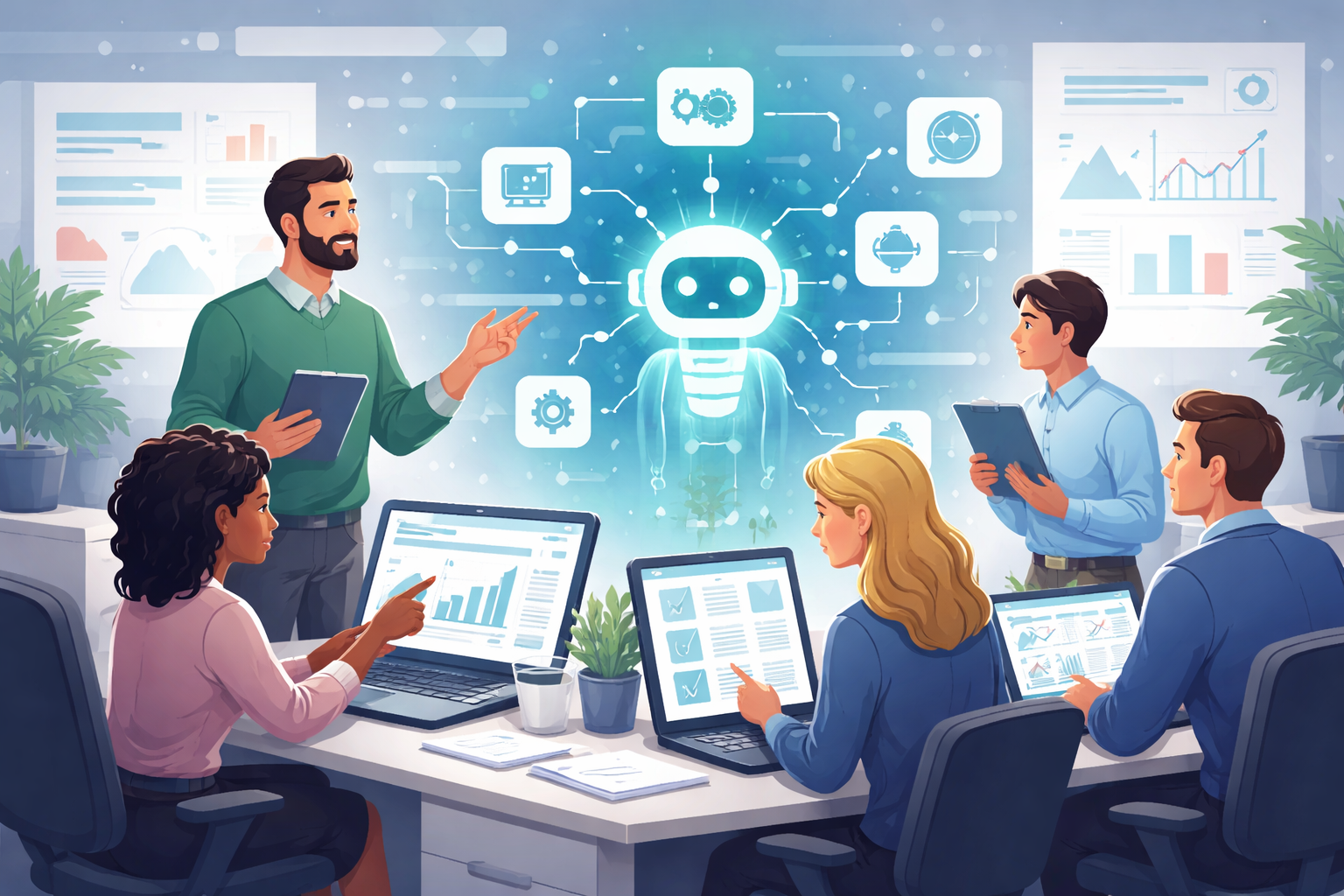
What’s the Biggest Bottleneck Businesses Face When Integrating AI Into Daily Workflows?
Artificial intelligence is everywhere in business conversations. Companies are experimenting with AI copilots, chatbots, predictive analytics, and automated workflows. Yet many organizations struggle to move beyond pilots and experiments. The biggest bottleneck isn’t the technology, it’s integrating AI into the way work actually happens every day.
The real bottleneck: workflow integration
Most organizations approach AI as a new tool rather than a change to how decisions and processes are executed. Teams experiment with chatbots or analytics dashboards, but employees still rely on manual processes, spreadsheets, and legacy systems. When AI is disconnected from daily workflows, adoption remains low and the promised productivity gains never materialize.
Why AI pilots often fail to scale
Companies frequently launch AI initiatives with excitement. They test generative AI for content, predictive models for forecasting, or automation tools for customer service. However, these pilots rarely scale because they are introduced as standalone tools rather than embedded components of existing workflows.
Employees are unlikely to change their daily habits just to check another dashboard or open another tool. If AI requires extra steps instead of simplifying processes, teams revert to their familiar workflows. As a result, AI becomes a side experiment rather than a productivity engine.
Three signals your AI initiative may face a bottleneck
- Teams must leave their normal systems to access AI insights.
- AI outputs require manual interpretation before decisions are made.
- There is no clear process connecting AI predictions to operational actions.
Real-world example: customer support automation
A large e-commerce company implemented an AI chatbot to reduce customer support costs. The tool could answer common questions and summarize tickets, but adoption was initially low because agents had to copy conversations from the ticket system into the AI interface manually.
Business objective
Reduce response time and support costs while maintaining customer satisfaction.
Initial problem
Agents needed to manually interact with a separate AI interface.
Workflow change
AI responses and summaries were embedded directly inside the ticketing system.
Once AI suggestions appeared automatically within the support interface, agents began using them naturally. Response times dropped by nearly 30%, and ticket resolution improved significantly. The key success factor wasn’t the AI model, it was embedding the AI output where the team already worked.
Another example: AI in marketing operations
Marketing teams frequently experiment with AI to generate content ideas, analyze campaign performance, or predict customer behavior. However, many of these experiments fail to deliver measurable ROI because they remain disconnected from campaign workflows.
A SaaS company solved this problem by integrating AI insights directly into their marketing automation platform. Instead of reviewing analytics separately, campaign managers received AI-generated recommendations within their dashboard including suggested audience segments and subject line optimizations.
This simple integration increased campaign conversion rates by 15% because marketers could immediately act on insights instead of reviewing reports after campaigns were completed.
Common barriers beyond technology
Data readiness
- Fragmented or inconsistent data
- Lack of structured historical records
- Poor integration across systems
Change management
- Employees unsure how AI supports their role
- Fear of automation replacing jobs
- Resistance to altering established processes
Leadership alignment
- No clear AI strategy
- Pilots launched without measurable objectives
- Limited cross-department collaboration
Operational integration
- AI outputs not linked to business decisions
- Insights delivered too late to influence actions
- Teams required to manually interpret results
Where AI integration is working today
Operations
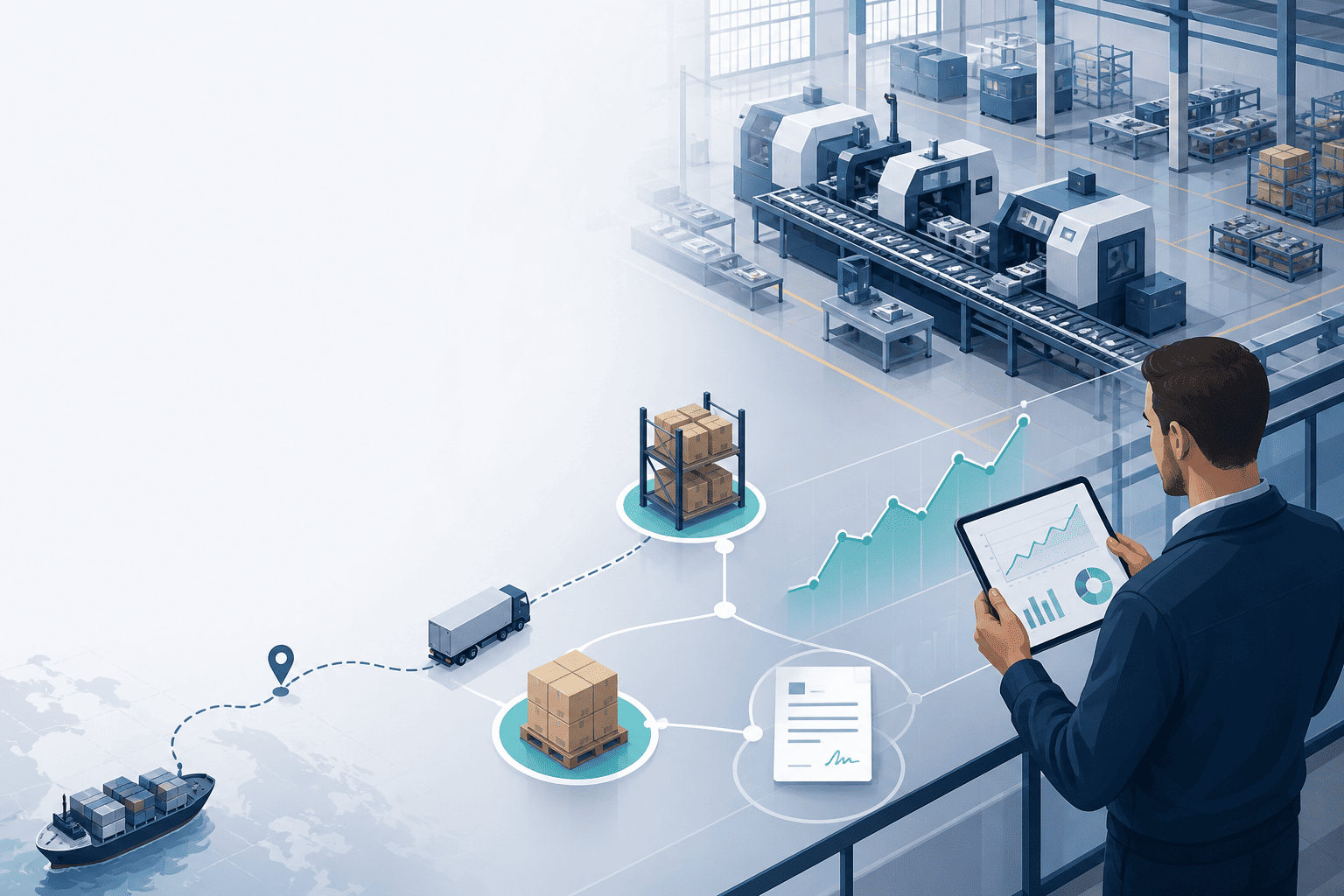
AI scheduling, demand forecasting, and predictive maintenance embedded in operational systems.
Customer experience
AI-powered support agents, automated ticket summaries, and intelligent routing.
Decision intelligence
Predictive insights integrated into CRM, ERP, and financial systems.
How businesses can overcome the AI bottleneck
- Start with a business problem. Focus on decisions or processes that currently cause delays, errors, or inefficiencies.
- Integrate AI into existing systems. AI should appear within tools employees already use.
- Define measurable outcomes. Establish metrics such as cost reduction, response time, or revenue growth.
- Train teams and encourage experimentation. Adoption increases when employees understand how AI improves their work.
- Scale gradually. Expand successful use cases across departments once workflows prove effective.
Organizations that succeed with AI treat it not as a technology experiment but as an operational transformation. The real value of AI emerges when insights and automation become part of everyday decision-making.
Ready to integrate AI into real business workflows?
We help organizations identify high-impact use cases, prepare their data, and embed AI into everyday operations so teams actually use it.