

 604.506.5068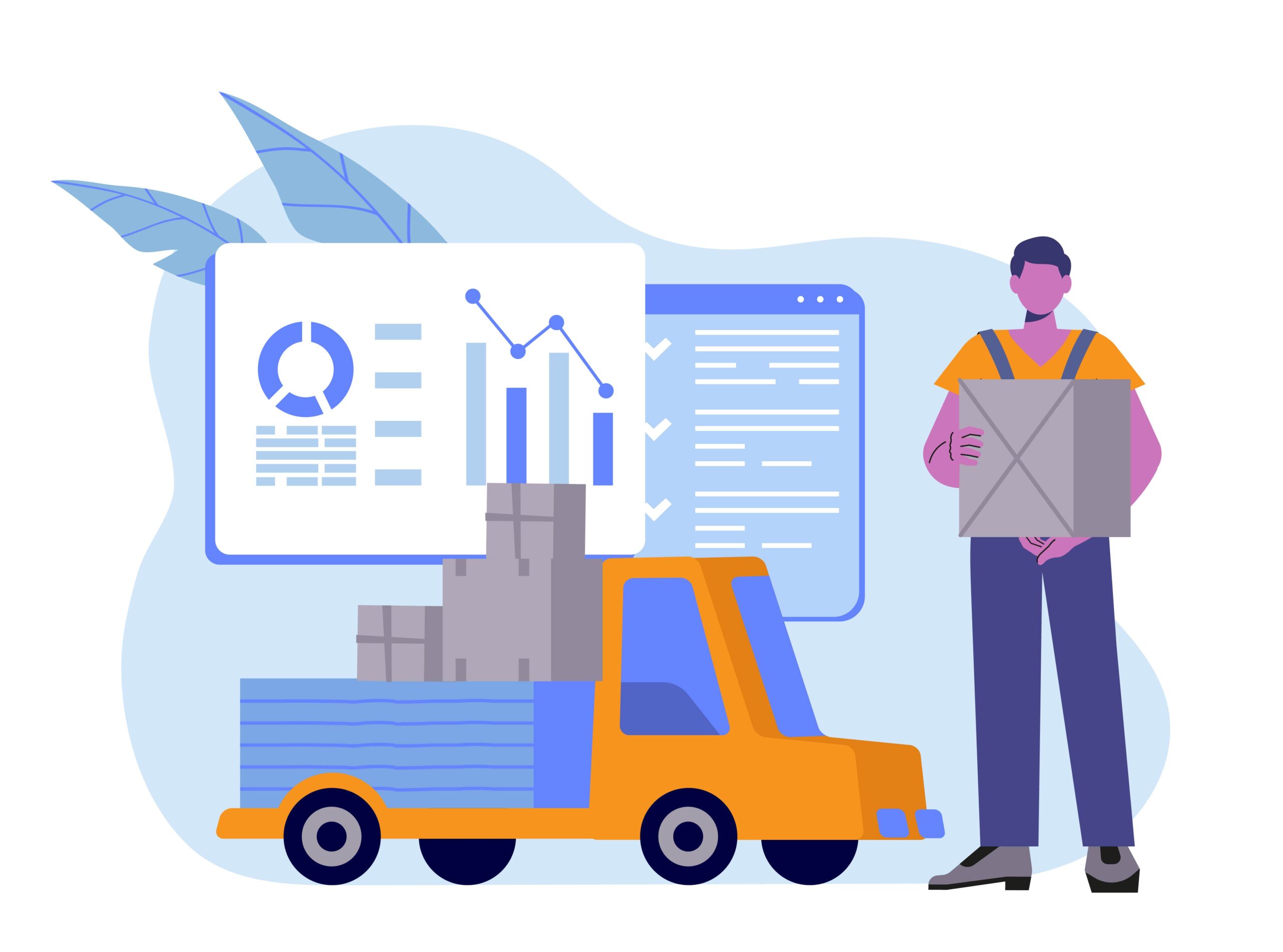
Artificial intelligence (AI) is transforming the logistics and customs management industry, improving efficiency, reducing costs, and optimizing regulatory compliance. As global trade expands, businesses and customs authorities are turning to advanced solutions to streamline their operations.Below, we explore some of the most relevant AI tools in logistics and customs.
1. AI in Logistics: Supply Chain Optimization
a. Demand Prediction and Inventory Management
Tools such as Blue Yonder and Llamasoft (Coupa) use AI and machine learning to analyze demand patterns, forecast future needs, and optimize inventory management. These solutions help companies minimize waste, reduce costs, and improve product availability.
b. Route Optimization and Transportation
Platforms like Project44 and FourKites utilize AI to provide real-time visibility into freight transportation, optimizing routes based on traffic, weather, and other logistical factors. This reduces delivery times and enhances transportation efficiency.
c. Warehouse Automation
Companies like Amazon and DHL have implemented AI-powered robots in their warehouses to automate package handling, sorting, and tracking. AutoStore and Symbotic are examples of AI-driven solutions that enhance productivity in logistics centers through autonomous robots.
2. AI in Customs: Streamlining Trade and Compliance
a. Risk and Fraud Detection
Customs agencies use tools like IBM Watson and SAS Fraud Management to analyze vast amounts of data and detect suspicious patterns of fraud, smuggling, or regulatory non-compliance. These systems can identify anomalies in import/export declarations and help prevent customs-related crimes.
b. Automated Goods Classification
Platforms like ClearMetal (part of Project44) and Descartes Datamyne leverage AI to facilitate product classification according to tariff codes. This reduces errors in customs clearance and minimizes delays in cargo release.
c. Cargo Inspection and Recognition
Computer vision technologies, such as those implemented by Smiths Detection and Rapiscan Systems, enable automatic scanning and analysis of container and package contents. Combined with AI, these tools can detect prohibited items, improving customs security.
3. Benefits of AI in Logistics and Customs
- Increased operational efficiency: Process automation reduces time and costs.
- Improved regulatory compliance: AI helps prevent errors and ensures adherence to customs regulations.
- Fraud and risk reduction: Advanced algorithms detect suspicious activities in real time.
- Supply chain optimization: Demand prediction and reduced delivery times.
Conclusion
Artificial intelligence is revolutionizing logistics and customs management, offering innovative solutions that enhance efficiency and security. Businesses and authorities that adopt these technologies will be able to optimize their operations and stay competitive in an ever-changing global environment.
About the Author
The Best Digital Marketing Insight and Advice
The WSI Digital Marketing Blog is your go-to-place to get tips, tricks and best practices on all things digital
marketing related. Check out our latest posts.
Ready to turn AI insight into a practical business plan?
Speak with an AI ConsultantWe are committed to protecting your privacy. For more info, please review our Privacy and Cookie Policies. You may unsubscribe at any time.
Don't stop the learning now!
AI for Manufacturing Operations: A Practical Roadmap for Supply Chain Visibility, Procurement, and Demand Forecasting
AI for Manufacturing Operations: A Practical Roadmap for Supply Chain, Procurement, and Demand Forecasting Manufacturers do not need to begin their AI journey with a company-wide transformation program. The most practical starting point is usually a workflow where teams are already losing time: chasing late supplier updates, reconciling inventory data, expediting purchase orders, or revising …
READ MORE
When AI Outgrows Your Team: How to Close the Capability Gap
AI Strategy & Organizational Readiness How to Close the Capability Gap AI initiatives often begin with a few motivated employees testing tools and discovering faster ways to work. But as those experiments become more valuable, they also become more complex. The real question is whether your organization has the strategy, expertise, governance, and capacity required …
Continue reading “When AI Outgrows Your Team: How to Close the Capability Gap”
READ MORE
When AI Outgrows Your Team: How to Close the Capability Gap
AI Strategy & Organizational Readiness When AI Outgrows Your Team: How to Close the Capability Gap AI initiatives often begin with a few motivated employees testing tools and discovering faster ways to work. But as those experiments become more valuable, they also become more complicated. The challenge is no longer simply learning how to use …
Continue reading “When AI Outgrows Your Team: How to Close the Capability Gap”
READ MORE