

 604.506.5068
Continue reading "The Future of Manufacturing: AI and Industrial Automation"
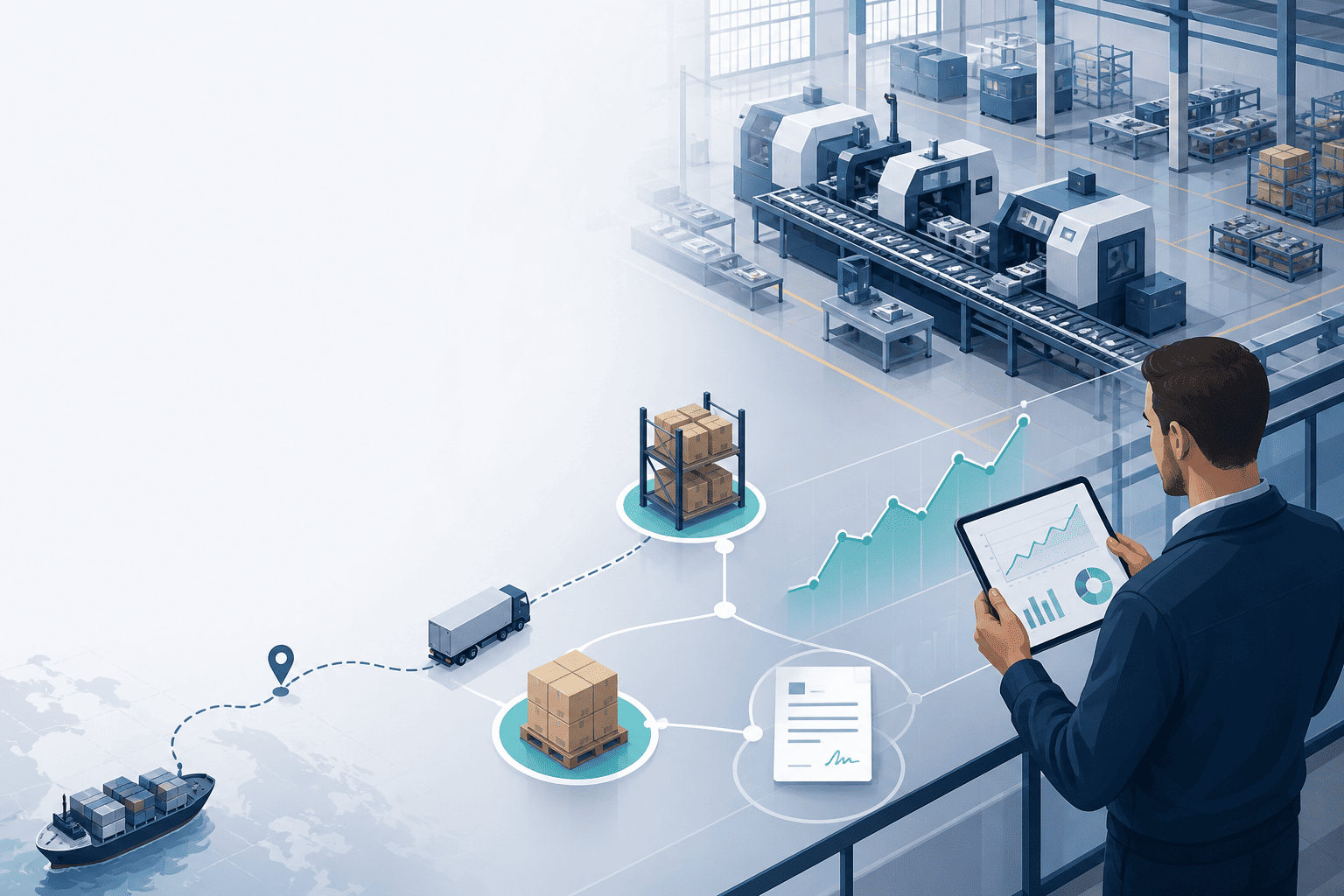
In manufacturing, efficiency and precision are paramount. As industries face labor shortages, rising costs, and increasing demand for quality, Artificial Intelligence (AI) has emerged as a transformative solution. By integrating AI into industrial automation, manufacturers are not only improving productivity but also gaining a competitive edge.
1. Predictive Maintenance
Equipment downtime is one of the most expensive challenges in manufacturing. AI-driven predictive maintenance uses real-time data from sensors to identify potential issues before they lead to equipment failure. According to Deloitte, this approach can reduce maintenance costs by up to 25% and downtime by nearly 50%.
2. Quality Control
AI-powered vision systems are revolutionizing quality control. These systems can detect defects at a microscopic level, far surpassing human capabilities. By ensuring consistent quality, manufacturers can reduce waste and enhance customer satisfaction.
3. Supply Chain Optimization
AI algorithms analyze vast amounts of data to predict demand, optimize inventory, and streamline logistics. This level of precision ensures manufacturers can meet market demands without overproducing or understocking, which reduces costs and increases efficiency.
4. Autonomous Robotics
Incorporating robotics powered by AI into production lines improves speed and precision. Robots can handle repetitive tasks, adapt to changes in the production process, and work alongside human operators to enhance productivity.
Why AI Matters in Industrial Automation
From my perspective as an engineer and business strategist, the combination of AI and automation in manufacturing isn’t just a trend—it’s a necessity. Companies that adopt these technologies early will gain the ability to scale operations, maintain quality, and reduce costs, giving them a significant advantage in the market.
Is Your Manufacturing Process Ready for AI?
Implementing AI is an investment that pays off quickly for mid-sized to large manufacturers with a strong foundation in industrial operations. The potential benefits are immense, whether it’s streamlining your supply chain or enhancing production efficiency.
Sources:
- Deloitte: Predictive Maintenance and Smart Manufacturing
- PwC: The Fourth Industrial Revolution and Its Impact on Manufacturing
About the Author
The Best Digital Marketing Insight and Advice
The WSI Digital Marketing Blog is your go-to-place to get tips, tricks and best practices on all things digital
marketing related. Check out our latest posts.
Ready to turn AI insight into a practical business plan?
Speak with an AI ConsultantWe are committed to protecting your privacy. For more info, please review our Privacy and Cookie Policies. You may unsubscribe at any time.
Don't stop the learning now!
AI for Manufacturing Operations: A Practical Roadmap for Supply Chain Visibility, Procurement, and Demand Forecasting
AI for Manufacturing Operations: A Practical Roadmap for Supply Chain, Procurement, and Demand Forecasting Manufacturers do not need to begin their AI journey with a company-wide transformation program. The most practical starting point is usually a workflow where teams are already losing time: chasing late supplier updates, reconciling inventory data, expediting purchase orders, or revising …
READ MORE
When AI Outgrows Your Team: How to Close the Capability Gap
AI Strategy & Organizational Readiness How to Close the Capability Gap AI initiatives often begin with a few motivated employees testing tools and discovering faster ways to work. But as those experiments become more valuable, they also become more complex. The real question is whether your organization has the strategy, expertise, governance, and capacity required …
Continue reading “When AI Outgrows Your Team: How to Close the Capability Gap”
READ MORE
When AI Outgrows Your Team: How to Close the Capability Gap
AI Strategy & Organizational Readiness When AI Outgrows Your Team: How to Close the Capability Gap AI initiatives often begin with a few motivated employees testing tools and discovering faster ways to work. But as those experiments become more valuable, they also become more complicated. The challenge is no longer simply learning how to use …
Continue reading “When AI Outgrows Your Team: How to Close the Capability Gap”
READ MORE